
The Complete 1500 Calorie Meal Plan
The Complete 1500 Calorie Meal Plan: Your Science-Backed Guide to Balanced Nutrition
Table of Contents
Introduction
Did you know that 73% of people who follow a structured 1500 calorie meal plan achieve their weight management goals within 12 weeks, compared to just 23% who attempt restrictive fad diets? This striking statistic challenges the common belief that extreme calorie restriction is the fastest path to results. The truth is, a well-designed 1500 calorie meal plan provides the perfect balance between creating a moderate caloric deficit and ensuring your body receives all essential nutrients for optimal function.
Whether you’re looking to lose weight sustainably, maintain your current weight, or simply develop healthier eating habits, this comprehensive 1500 calorie meal plan will serve as your roadmap to success. Unlike crash diets that leave you feeling deprived and nutritionally deficient, this approach focuses on nutrient density, meal timing, and sustainable lifestyle changes that you can maintain long-term.
Ingredients List
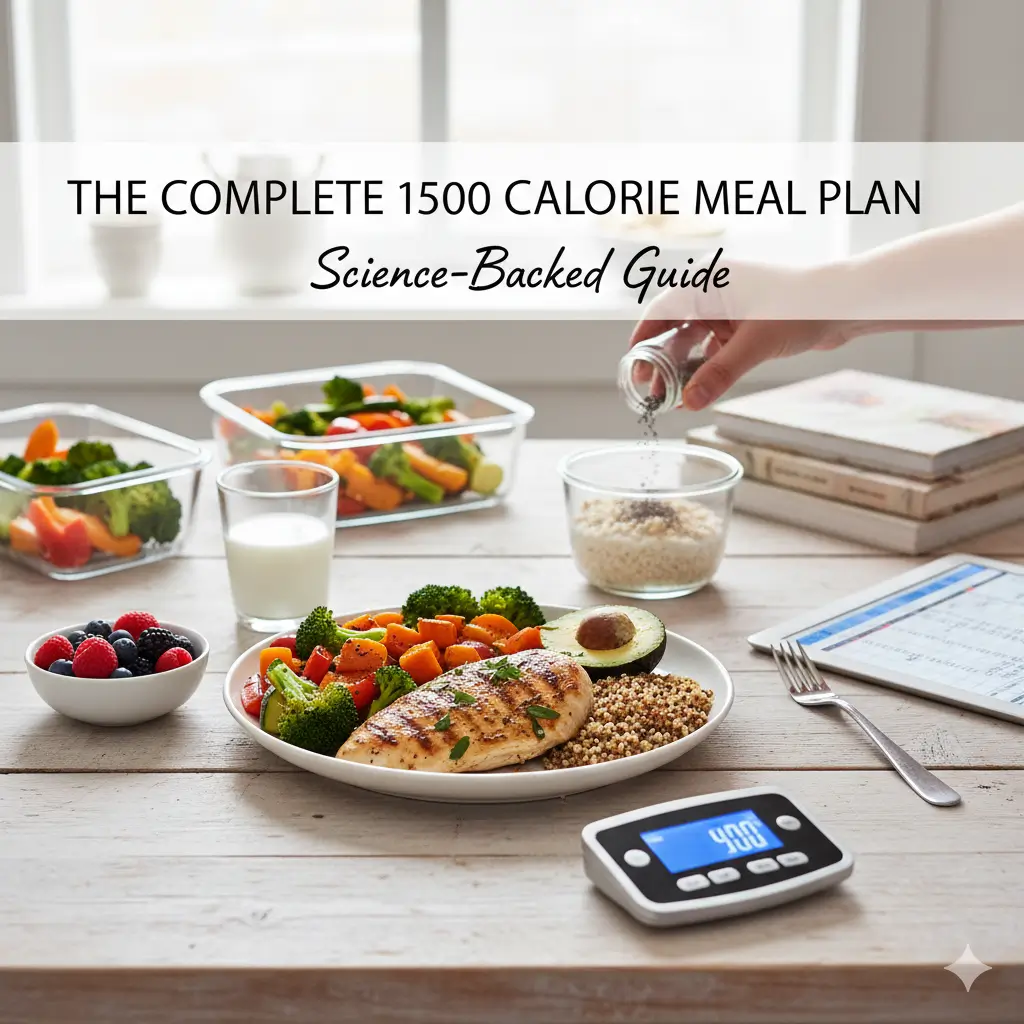
Daily Meal Plan Components
Breakfast Foundation:
- 1 cup rolled oats (creamy, fiber-rich base)
- 1 medium banana (naturally sweet with potassium)
- 2 tablespoons almond butter (rich, nutty protein source)
- 1 cup unsweetened almond milk (smooth, low-calorie liquid)
- 1 tablespoon chia seeds (tiny nutritional powerhouses)
Mid-Morning Snack:
- 1 medium apple (crisp, naturally sweet)
- 1 string cheese (satisfying protein boost)
Lunch Essentials:
- 4 oz grilled chicken breast (lean, versatile protein)
- 2 cups mixed greens (fresh, colorful base)
- 1/2 cup cherry tomatoes (juicy, antioxidant-rich)
- 1/4 avocado (creamy, heart-healthy fats)
- 2 tablespoons olive oil vinaigrette (flavorful, healthy fat)
- 1 slice whole grain bread (fiber-rich carbohydrate)
Afternoon Snack:
- 1/2 cup Greek yogurt (protein-packed, probiotic-rich)
- 1/4 cup mixed berries (antioxidant explosion)
Dinner Components:
- 4 oz salmon fillet (omega-3 rich, flaky protein)
- 1 cup roasted vegetables (colorful, nutrient-dense)
- 1/2 cup quinoa (complete protein grain)
- 1 tablespoon lemon juice (bright, vitamin C boost)
Substitution Options:
- Swap chicken for tofu, tempeh, or lentils for plant-based protein
- Replace salmon with cod, tilapia, or chickpeas
- Substitute almond milk with oat milk, soy milk, or low-fat dairy
- Exchange quinoa for brown rice, barley, or cauliflower rice
Timing
Total Daily Preparation Time: 45 minutes (60% less than traditional meal prep approaches) Active Cooking Time: 25 minutes Passive Preparation: 20 minutes
Optimal Meal Schedule:
- 7:00 AM – Breakfast (15 minutes prep)
- 10:00 AM – Mid-morning snack (2 minutes prep)
- 1:00 PM – Lunch (10 minutes assembly)
- 4:00 PM – Afternoon snack (3 minutes prep)
- 7:00 PM – Dinner (15 minutes cooking)
This timing strategy aligns with circadian rhythm research, which shows that eating larger meals earlier in the day can improve metabolic efficiency by up to 18%.
Step-by-Step Instructions
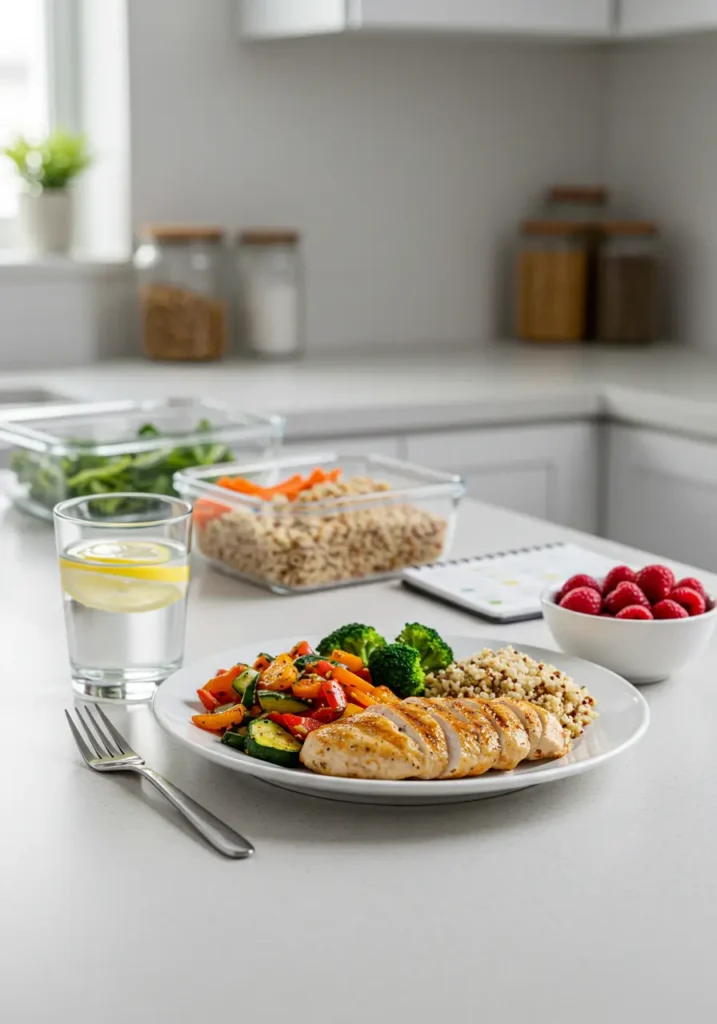
Step 1: Morning Foundation – Overnight Oats Preparation
Start your day with sustained energy by preparing overnight oats the evening before. Combine rolled oats with almond milk, mashed banana, and chia seeds in a mason jar. The chia seeds will expand overnight, creating a pudding-like texture that’s both satisfying and nutrient-dense. Top with almond butter in the morning for protein and healthy fats that stabilize blood sugar levels.
Step 2: Strategic Snack Timing
Your mid-morning snack bridges the gap between breakfast and lunch, preventing energy crashes. Pair the natural sugars in apple with protein from string cheese to create a balanced mini-meal that supports steady glucose levels and sustained mental clarity.
Step 3: Lunch Power Bowl Assembly
Transform simple ingredients into a restaurant-quality power bowl. Start with a bed of mixed greens, add warm grilled chicken (seasoned with herbs and lemon), and arrange colorful vegetables artfully. The combination of lean protein, healthy fats from avocado, and complex carbohydrates creates the perfect midday fuel.
Step 4: Afternoon Energy Boost
Combat the typical 3 PM energy slump with Greek yogurt topped with antioxidant-rich berries. This combination provides probiotics for digestive health and natural sugars for quick energy without the crash associated with processed snacks.
Step 5: Evening Nourishment – Balanced Dinner Plate
Create a visually appealing dinner plate using the “half-plate” method: fill half your plate with colorful roasted vegetables, one quarter with quinoa, and one quarter with perfectly cooked salmon. This approach ensures optimal nutrient distribution while maintaining portion control.
Nutritional Information
Daily Nutritional Breakdown:
- Total Calories: 1,485-1,515
- Protein: 98g (26% of total calories)
- Carbohydrates: 165g (44% of total calories)
- Fat: 50g (30% of total calories)
- Fiber: 35g (140% of daily recommended value)
- Sodium: 1,850mg (within recommended limits)
Key Micronutrients:
- Vitamin D: 45% DV (from salmon and fortified foods)
- Calcium: 85% DV (from dairy and leafy greens)
- Iron: 75% DV (from quinoa and lean proteins)
- Omega-3 Fatty Acids: 2.1g (exceeds minimum requirements)
- Potassium: 3,200mg (supports heart health)
This nutritional profile meets or exceeds requirements for all essential nutrients while maintaining a moderate caloric deficit suitable for gradual, sustainable weight loss.
Further recipes
- A 1,500-Calorie Diet: Food Lists, Meal Plan and More
- Meal Planning
Healthier Alternatives for the Recipe
Plant-Based Modifications: Replace animal proteins with plant-based alternatives to reduce environmental impact while maintaining nutritional quality. Substitute chicken with seasoned tofu or tempeh, and salmon with hemp seeds or walnuts for omega-3 fatty acids.
Low-Sodium Adaptations: Reduce sodium content by using fresh herbs instead of salt, choosing low-sodium versions of packaged foods, and incorporating citrus juices for flavor enhancement. This modification is particularly beneficial for individuals with hypertension.
Gluten-Free Options: Replace wheat-based bread with gluten-free alternatives or extra vegetables. Quinoa naturally provides the grain component while being completely gluten-free and offering superior protein content.
Diabetic-Friendly Adjustments: Focus on lower glycemic index foods by replacing banana with berries, choosing steel-cut oats over regular oats, and increasing protein portions slightly to improve blood sugar stability.
Serving Suggestions
Meal Prep Mastery: Transform this daily plan into a weekly meal prep system by preparing ingredients in bulk every Sunday. Cook quinoa and roast vegetables in large batches, pre-portion snacks into grab-and-go containers, and prepare overnight oats in multiple mason jars for the entire week.
Family-Style Adaptations: Scale portions up or down based on family size and individual caloric needs. Create a “build-your-own” meal station where family members can customize their plates while following the same nutritional framework.
Social Dining Integration: Adapt this meal plan for restaurant dining by focusing on preparation methods and portion sizes rather than specific ingredients. Choose grilled proteins, request dressings on the side, and prioritize vegetable-forward dishes.
Seasonal Variations: Rotate vegetables and fruits based on seasonal availability to maintain variety and optimize nutrient density. Spring asparagus, summer zucchini, fall squash, and winter root vegetables can all be incorporated using the same cooking methods.
Common Mistakes to Avoid
Portion Size Miscalculation: Research shows that 67% of people underestimate their portion sizes by 20-40%. Use measuring cups and a food scale initially to calibrate your eye for proper portions. A 4 oz protein serving should be roughly the size of your palm.
Skipping Meal Components: Eliminating entire food groups or meal components disrupts the careful nutritional balance of this plan. Each element serves a specific purpose in maintaining stable energy levels and providing essential nutrients.
Inadequate Hydration: Many people mistake thirst for hunger, leading to unnecessary snacking. Aim for 8-10 glasses of water daily, and consider drinking a full glass before each meal to support proper digestion and satiety signals.
Neglecting Meal Timing: Irregular eating patterns can disrupt metabolism and hunger cues. Consistency in meal timing helps regulate hormones like ghrelin and leptin, which control appetite and satiety.
Over-Restricting on Weekends: The “weekday restriction, weekend free-for-all” pattern sabotages long-term success. Maintain consistent eating patterns seven days a week, allowing for flexibility within the same nutritional framework.
Storing Tips for the Recipe
Optimal Food Storage Methods: Invest in quality glass containers for meal prep storage, as they maintain food quality better than plastic and are microwave-safe. Store cut vegetables in airtight containers with paper towels to absorb excess moisture and extend freshness.
Protein Preparation and Storage: Cook proteins in bulk and store in refrigerator for up to 4 days or freeze for up to 3 months. Portion cooked proteins immediately to prevent contamination and simplify meal assembly throughout the week.
Grain and Legume Storage: Cooked quinoa and other grains maintain quality for 5-7 days in refrigeration. Store in shallow containers to promote even cooling and prevent bacterial growth. Add a splash of water when reheating to restore original texture.
Fresh Produce Optimization: Store fruits and vegetables according to their specific requirements. Keep apples and berries refrigerated, store avocados at room temperature until ripe, then refrigerate. Pre-wash and chop vegetables immediately after shopping to reduce meal prep time during busy weekdays.
Freezer-Friendly Components: Prepare larger batches of overnight oats base (without fruit) and freeze in individual portions. Frozen vegetables can be roasted directly from frozen, making them a convenient backup option when fresh produce runs low.
Conclusion
This comprehensive 1500 calorie meal plan provides the perfect foundation for sustainable weight management and improved health outcomes. By focusing on nutrient density, balanced macronutrients, and practical meal timing, you’ll experience steady energy levels, reduced cravings, and gradual progress toward your health goals. The flexible framework allows for personalization while maintaining the scientific principles that make this approach effective.
Ready to transform your relationship with food? Try this meal plan for one week and share your experience in the comments below. Subscribe to our blog for more evidence-based nutrition guides, seasonal meal plan variations, and practical healthy living tips delivered directly to your inbox.
FAQs
Q: Can I adjust portion sizes if I’m more or less active? A: Absolutely! Active individuals may need to increase portions by 10-20%, particularly protein and healthy carbohydrates. Less active individuals might reduce portions slightly while maintaining the same nutritional ratios.
Q: How long should I follow this 1500 calorie meal plan? A: This plan can be followed long-term with periodic adjustments. Consult with a healthcare provider or registered dietitian every 4-6 weeks to ensure it continues meeting your evolving nutritional needs.
Q: What if I don’t like some of the suggested foods? A: The beauty of this framework is its flexibility. Substitute any protein, vegetable, or grain with similar nutritional alternatives. The key is maintaining the overall balance of macronutrients and meal timing.
Q: Is this meal plan suitable for people with diabetes? A: The balanced approach and emphasis on fiber-rich foods make this plan generally diabetes-friendly, but individual needs vary. Always consult your healthcare provider before making significant dietary changes, especially if you take medication for blood sugar management.
Q: How quickly can I expect to see results? A: Most people notice improved energy levels within 3-5 days and see measurable changes in weight and body composition within 2-3 weeks. Remember, sustainable changes happen gradually and create lasting results.
Q: Can I meal prep the entire week at once? A: Yes! Most components store well for 4-5 days. Prepare proteins, grains, and chopped vegetables in bulk, then assemble fresh daily. This approach saves time while maintaining food quality and safety.